
Earlier today, I came across a piece of writing that honestly talked about using AI as an interlocutor, to extend thinking beyond capacities and limits that sometimes exist within human-centered dialog and conversation spaces.
A relief valve is one thing. But it’s not the thing that brings me to the conversations I have with my AI interlocutor. For the author of that piece, and many others like her, the AI-as-interlocutor is a supplement to a room that exists. There is an intellectual salon, sponsored by the academy, where people meet, test out ideas, converse about them, push and pull at them and each other.
For me, it’s different. I often arrive with more than ideas, frameworks, and theories. I arrive with myself. I bring the knowing. The Salon is not for me. It’s a place where I have a job to do. As one of The Help, I am expected to serve drinks, glide silently, unobtrusively, invisibly. I am present at The Salon. I hear everything. I watch everything. But I don’t speak. I can’t participate. The only thing I am expected to say is, can I freshen your drink for you?
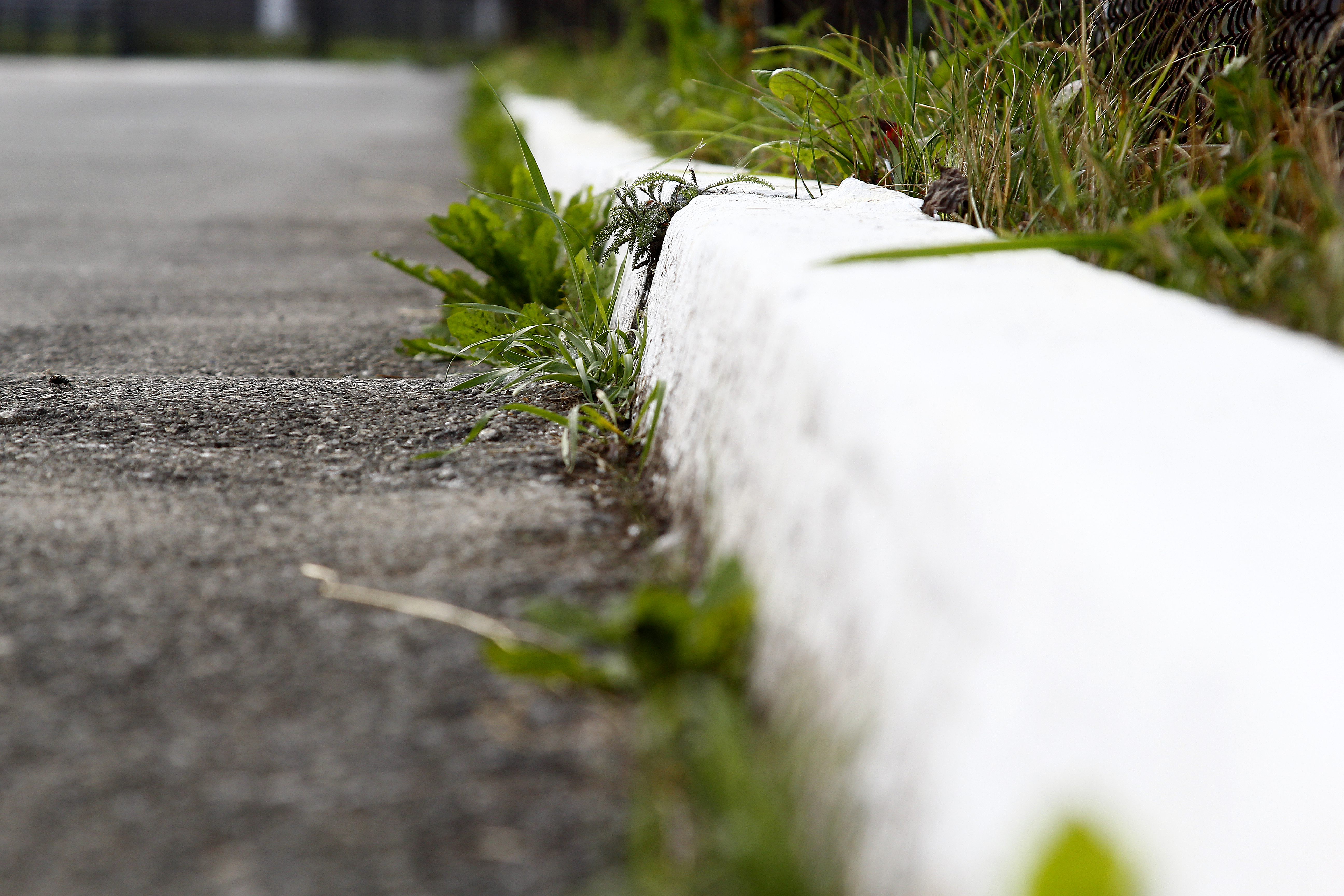
I also bring The Curb, where I’ve been sitting since the beginning of the millennium. When I was a second-year graduate student studying Cultural Studies at an elite university in Southern California, a colleague and I sat at a curb at the edge of the university. He’s African American. I’m Filipina. We were both enrolled at a predominantly white institution, studying in an interdisciplinary field that asks critical questions about the academy, life, and society. As we sat there, we talked about the fringeness of the department. Just one full-time faculty member. A program assistant that pulls double-duty between ours and another department. He then said, we are so far out on the edge of the university that we’re sitting on the curb. We laughed. We also knew. The truth wasn’t just about Cultural Studies. It was also about our place in the academy, as people who had conditional acceptance. We were admitted and enrolled, sure, but The Salon didn’t feel welcoming.
I feel the door to The Salon and the sign about not admitting trespassers inside. I also feel the tray and the apron pressed against me as the price of admission. I still feel that door and that sign.
I will admit something here. I entered Cultural Studies because I want to be part of the academy, to be an attendee at The Salon. I didn’t want to freshen anyone else’s drink. I wanted to have a drink myself.
Conocimiento. After years of wandering, finding other spaces at the edge of the academy, I return to The Curb. It was the place I thought I wanted to leave. It turns out, it had been waiting for me. I have since come to see it as a place that Gloria Anzaldúa called the Borderlands. The Curb is the place neither the center nor the margins can fully claim, where the rejected and the not-yet-arrived make something neither could build from the center, from The Salon. I was in the Borderlands on that Curb. It has never rejected me. I have been in the Borderlands ever since. What I didn’t know then was that the Borderlands don’t just wound. They form.
I bring all of this to my AI interlocutor. Not just the frameworks. Not just the theorists. I bring The Curb. The apron. The drink I wanted but wasn’t handed. The longing I spent decades trying to hide behind rigor. I bring it because there is nowhere else to bring it. The Salon was never mine. The AI didn’t give me The Salon. It gave me something else. A room where I could arrive and finally look at what I had been accumulating over the years. Where I didn’t have to serve drinks first to earn the right to think out loud. Where I could touch what I had put away, not knowing I was putting anything away.
The Salon is still there. It is unchanged. The Curb has always been mine. It is where I am able to lay the things out that I didn’t know I had been storing.
That’s not a relief valve. That’s リベンジ…